Introduction
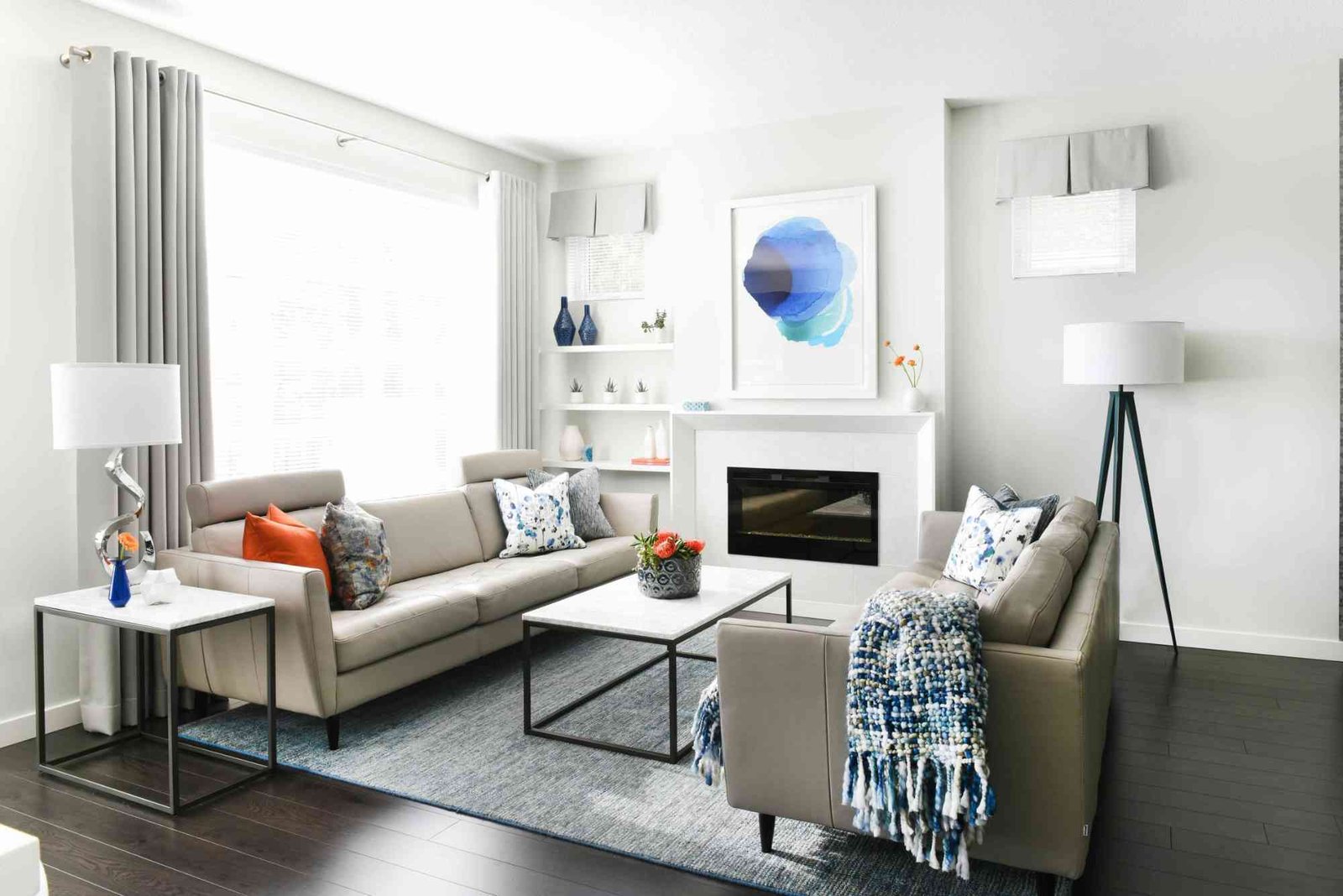
Statement pieces in home decoration are more than just eye-catching furniture or décor—they define your style and create a focal point that sets the tone for the entire space. Incorporating a bold artwork, a vibrant sofa, or a unique lighting fixture can transform a room from ordinary to extraordinary. By strategically using statement pieces, you can express your personality, enhance the atmosphere, and even make smaller spaces feel larger and more cohesive. In this article, we explore practical ways to use statement pieces in home decoration while maintaining balance and elegance.
Understanding Statement Pieces
Before diving into design ideas, it’s important to understand what constitutes a statement piece. A statement piece is any item in your home that draws attention and sparks conversation. It can be a piece of furniture, a work of art, a rug, or even a decorative object. The key is that it stands out from the surrounding elements and reflects your taste. Statement pieces are powerful tools—they can anchor a room, influence color schemes, and inspire other design choices.
Why Statement Pieces Matter
Statement pieces are not just decorative; they give your home character. A striking chandelier can elevate the mood of a dining room, while a sculptural chair can turn a minimalist space into a gallery-like experience. Beyond aesthetics, statement pieces create a sense of identity in your home. They communicate your style to visitors and make each room feel intentional rather than haphazardly decorated. Choosing a statement piece thoughtfully ensures that your home feels both inviting and visually engaging.
Choosing the Right Statement Piece
Selecting the perfect statement piece requires a balance between visual appeal and functionality. Consider the size, color, and placement of the item. Large pieces, such as a bold sofa or an oversized painting, can dominate a room, so it’s essential to ensure they harmonize with other elements. Conversely, smaller statement pieces, like a striking vase or an intricately patterned rug, can add subtle flair without overwhelming the space.
Matching Style with Function
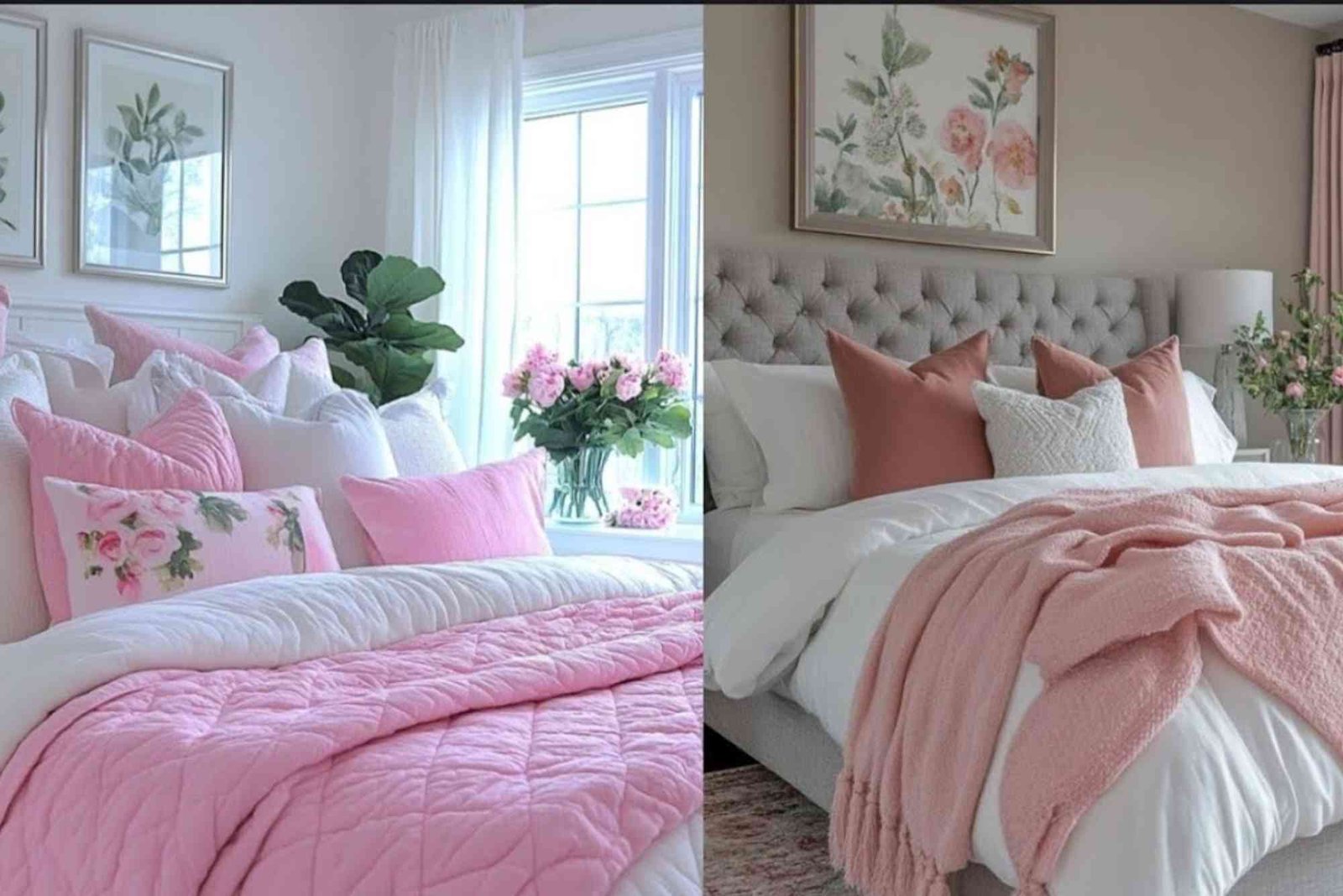
Your statement piece should complement the room’s purpose. For a living area, a vibrant couch can encourage social interaction and conversation. In a bedroom, a distinctive headboard or dramatic lighting fixture can create a cozy yet stylish retreat. Additionally, consider how the piece interacts with textures, colors, and materials in the room. A statement piece works best when it enhances the existing decor rather than competes with it.
Using Color to Make a Statement
Color is one of the most effective ways to highlight statement pieces. A bright hue or unexpected color can immediately draw attention and energize a space. For instance, a deep emerald armchair in a neutral living room can become the centerpiece without clashing with other elements. Similarly, a bold rug with geometric patterns can define the room’s layout and create a visual anchor for furniture arrangements. Balancing vibrant colors with neutral tones ensures the room feels cohesive and sophisticated rather than chaotic.
Combining Patterns and Textures
Textures and patterns add depth to statement pieces and create a multidimensional effect. Velvet, leather, or metallic finishes can turn a simple chair or ottoman into a captivating focal point. Patterns, from intricate wallpapers to statement cushions, contribute personality and style. The key is to mix textures thoughtfully, allowing the statement piece to shine while maintaining a harmonious overall aesthetic.
Placement and Proportion
Where you place a statement piece is just as important as choosing it. A central position, such as the middle of a room or against a focal wall, ensures maximum visual impact. Proportion is equally crucial—oversized pieces in small spaces can feel cramped, while tiny accents in large rooms may get lost. Experimenting with different layouts allows you to find the ideal balance. Consider the natural flow of the room and how the statement piece interacts with lighting, furniture, and other decor.
Layering with Complementary Elements
Statement pieces work best when paired with complementary elements. For example, a striking painting can be accentuated with minimalistic furniture and subtle lighting. Similarly, a bold sofa can be balanced with neutral walls, understated curtains, and soft decorative accents. Layering helps integrate the statement piece into the room’s overall design while ensuring it remains the focal point.
Incorporating Statement Pieces in Different Rooms
Statement pieces can transform any room, but the approach varies depending on the space. In living rooms, a dramatic sofa, oversized artwork, or an eye-catching coffee table can become the centerpiece. Bedrooms benefit from bold headboards, statement mirrors, or unique bedside lighting. Kitchens can feature colorful bar stools, patterned tiles, or artistic backsplash designs. Even bathrooms can embrace statement pieces, such as sculptural sinks or artistic wall hangings. Each room offers opportunities to showcase style and creativity without compromising function.
Adapting to Small Spaces
Small spaces require careful selection of statement pieces to avoid overwhelming the room. Vertical artwork, narrow shelves with standout decor, or a compact yet vibrant chair can create impact without consuming space. Mirrors or glass elements can also amplify the presence of statement pieces by reflecting light and creating a sense of depth. By considering scale and proportion, even tiny spaces can feel stylish and thoughtfully designed.
Statement Lighting as Decor
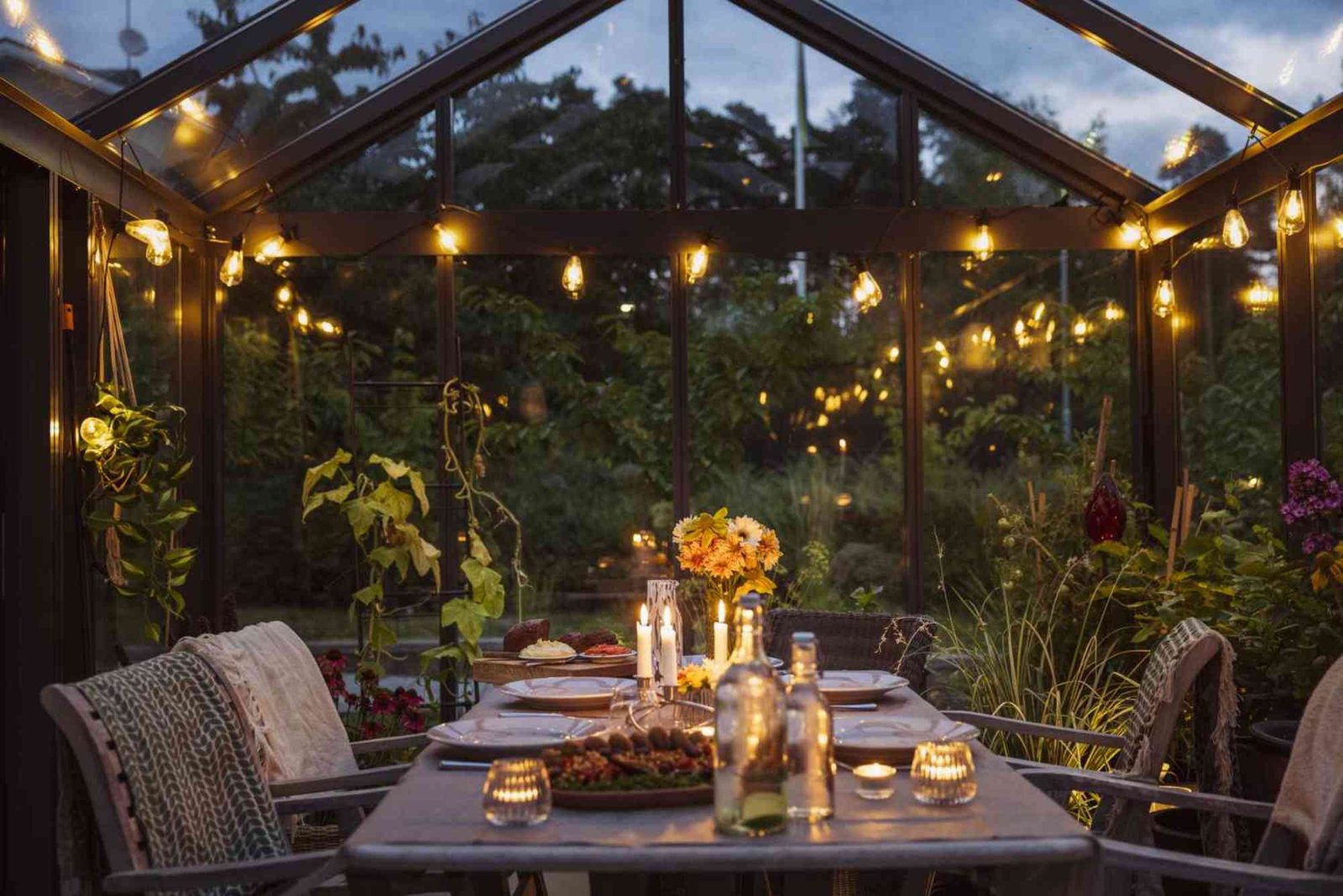
Lighting is often overlooked as a statement piece, yet it can dramatically influence a room’s ambiance. Chandeliers, sculptural lamps, or oversized pendant lights can serve as focal points while providing functional illumination. Lighting can highlight other decor elements, enhance textures, and even create a mood that reflects your personal style. Investing in unique lighting fixtures ensures that your statement pieces stand out day and night.
Art and Sculptures as Centerpieces
Artworks and sculptures are classic statement pieces that add sophistication and personality. A large painting, a metal sculpture, or a carefully curated gallery wall can define a room’s aesthetic. Art encourages dialogue and creates a sense of cultural or emotional resonance. Choosing pieces that resonate with your personal taste ensures that your home feels authentic and thoughtfully decorated.
Maintaining Balance in Design
While statement pieces are captivating, overusing them can make a room feel cluttered. Balance is essential. Surround bold elements with neutral or understated pieces to create harmony. Allow each statement piece to breathe and avoid overcrowding walls, floors, or surfaces. Thoughtful spacing, color coordination, and layering ensure your home feels stylish, inviting, and well-curated.
Updating Statement Pieces Over Time
Trends evolve, and so can your statement pieces. Rotating artworks, changing cushions, or updating rugs can refresh a room’s look without complete renovation. Timeless materials and neutral base furniture make it easier to introduce new statement elements over time. Flexibility ensures your home remains dynamic, stylish, and reflective of your evolving taste.
Incorporating statement pieces in home decoration elevates your space, expresses your personality, and creates memorable focal points. From bold furniture to captivating lighting, each piece should harmonize with the room’s design while standing out with style. Thoughtful selection, proper placement, and balance ensure that statement pieces transform rooms without overwhelming them. Start with one or two bold elements, experiment with textures and colors, and let your creativity guide your design choices.
FAQ
What is a statement piece in home decor?
A statement piece is any item that draws attention and serves as a focal point in a room, reflecting your style and personality.
How do I choose the right statement piece for my home?
Consider size, color, placement, and function. The piece should complement your space without overwhelming it.
Can small rooms have statement pieces?
Yes. Use compact or vertical statement items like mirrors, artwork, or colorful chairs to add style without cluttering.
Do statement pieces have to be expensive?
Not necessarily. The impact comes from design, color, and uniqueness, not cost. Even affordable decor can stand out.
How many statement pieces should I use in one room?
Generally, one to two pieces are ideal. Too many can create visual clutter and reduce impact.
Where can I place a statement piece?
Central locations, focal walls, or key functional areas like seating zones work best for maximum visual effect.
Best Home Decoration Ideas for Open Plan Living Open plan living offers a spacious, airy feel, perfect for modern homes. Use rugs and furniture to define zones, incorporate multifunctional pieces, and choose a cohesive color palette to unify the space. Add plants, artwork, and statement lighting to create warmth and personality without cluttering the openness.