Introduction
Choosing the right hair shade can completely transform your appearance. The right color brightens your complexion, highlights your features, and boosts confidence. However, many people struggle when deciding how to choose the perfect hair color because there are countless shades, tones, and techniques available today.
Understanding the basics of hair color selection makes the process easier. Factors like skin tone, eye color, lifestyle, and hair health all influence which shade will look best. Instead of following trends blindly, it is better to select a color that complements your natural features.
In this guide, you will learn how to choose the perfect hair color step by step. From identifying your undertone to maintaining your shade, these expert tips will help you achieve a flattering and natural-looking result.
Understanding Your Skin Tone Before Choosing Hair Color
The most important step in learning how to choose the perfect hair color is understanding your skin tone. Hair color should complement your complexion rather than compete with it. When the tones match well, your skin looks brighter and more balanced.
Skin tones usually fall into three categories: warm, cool, and neutral. Warm undertones have hints of yellow or golden shades, while cool undertones lean toward pink or bluish tones. Neutral undertones combine both warm and cool characteristics.
One easy method to determine your undertone is the vein test. If the veins on your wrist appear green, you likely have warm undertones. Blue or purple veins often indicate cool undertones. When it is difficult to tell, your undertone may be neutral.
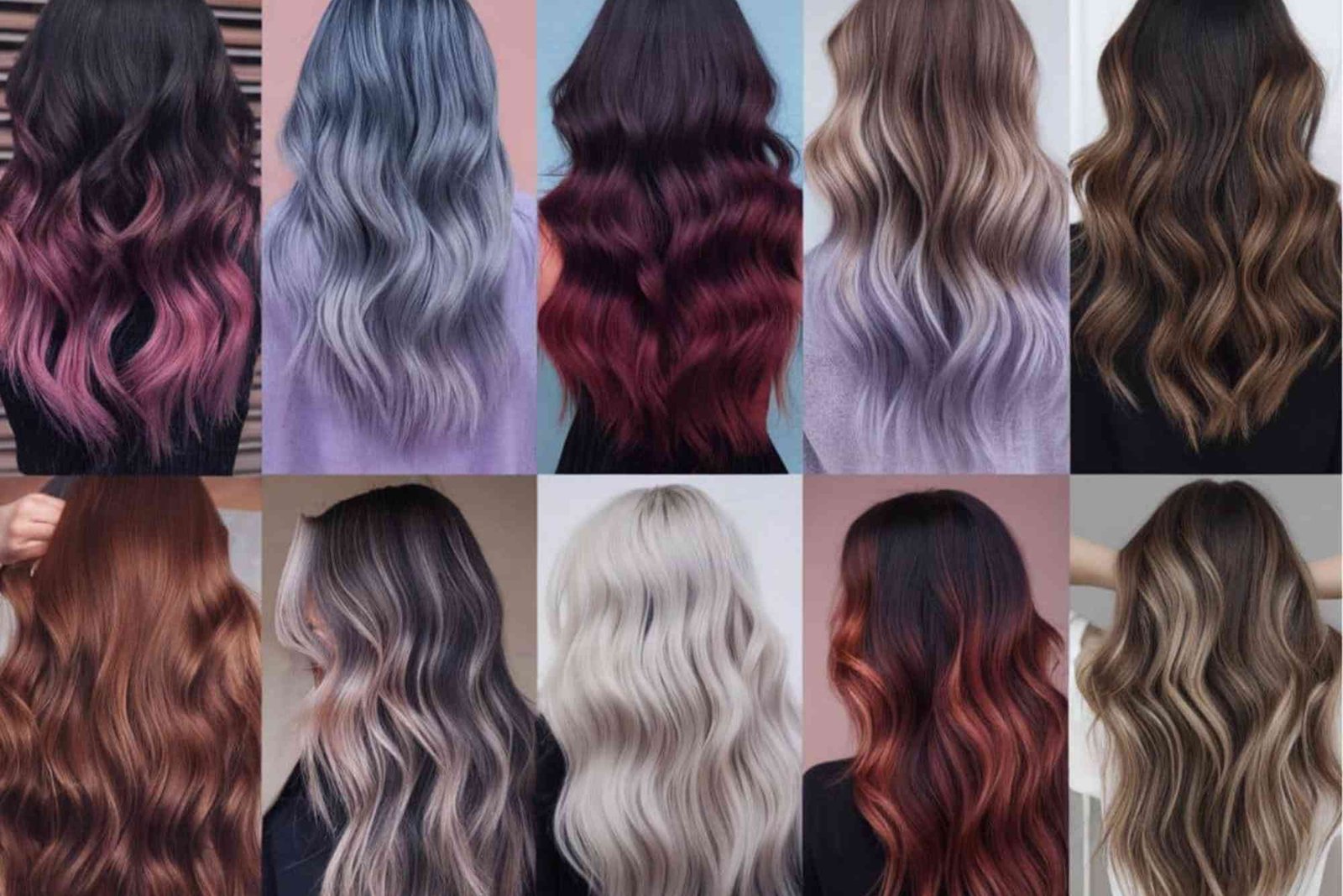
Once you understand your skin tone, selecting the perfect shade becomes easier. For example, warm skin tones usually pair well with golden blonde, caramel, or copper shades. Meanwhile, cool undertones often look best with ash blonde, platinum, or cool brown tones.
Matching Hair Color With Your Eye Color
Another useful technique when learning how to choose the perfect hair color is considering your eye color. The right shade can enhance the natural beauty of your eyes and make them appear brighter.
People with brown eyes often look great with rich colors like chocolate brown, deep chestnut, or warm caramel highlights. These tones enhance the depth and warmth of darker eyes.
If you have blue eyes, lighter shades often create a beautiful contrast. Platinum blonde, sandy blonde, and cool ash tones help make blue eyes stand out.
Green or hazel eyes usually pair beautifully with warmer shades such as copper, auburn, or golden brown. These tones emphasize the unique green or mixed colors in the eyes.
Choosing hair color based on eye color is not a strict rule, but it often leads to more balanced and attractive results.
Considering Your Natural Hair Color
Your natural hair color plays an important role when deciding how to choose the perfect hair color. Working close to your natural shade usually results in a more natural appearance and requires less maintenance.
If you want a subtle change, staying within two shades of your natural color is usually recommended. This keeps the transition smooth and prevents harsh contrasts between your roots and the new color.
For example, natural brunettes can experiment with chocolate brown, caramel highlights, or soft balayage effects. Natural blondes may enhance their color with honey or champagne tones.
Those with very dark hair who want a lighter shade should be aware that the process often requires multiple sessions. Lightening dark hair dramatically in one appointment may cause damage.
Learning how to choose the perfect hair color also means protecting the health of your hair. Gradual changes often produce better long-term results.
Lifestyle and Maintenance Factors
Many people overlook lifestyle when deciding how to choose the perfect hair color. However, maintenance level is one of the most practical considerations.
Bright or high-maintenance colors require frequent salon visits. Shades like platinum blonde, pastel pink, or vibrant red usually fade faster and need regular touch-ups.
On the other hand, techniques like balayage or subtle highlights grow out more naturally. These options reduce the need for frequent salon appointments.
If you prefer a low-maintenance routine, choosing a shade close to your natural hair color is usually the best approach. This allows your hair to grow without obvious root lines.
Hair care also plays a role in color longevity. Using sulfate-free shampoo and color-protecting products helps maintain the richness of your shade.
According to the American Academy of Dermatology, proper hair care and limited heat styling can significantly reduce color fading and damage.
Seasonal Hair Color Trends
Hair color trends often change with the seasons. While trends should not dictate your decision completely, they can inspire new ideas when learning how to choose the perfect hair color.
During warmer months, lighter and warmer shades tend to dominate. Sun-kissed highlights, honey blonde, and golden caramel tones create a fresh summer look.
In contrast, fall and winter often bring deeper, richer colors. Chocolate brown, auburn, burgundy, and espresso tones provide warmth and depth during colder seasons.
Trends seen in fashion and beauty communities also influence salon requests worldwide. Websites like Allure regularly highlight seasonal hair color inspirations and emerging trends.
Even when following trends, it is important to choose shades that match your complexion and personality.
Consulting a Professional Colorist
Although many people color their hair at home, consulting a professional stylist can make a big difference when deciding how to choose the perfect hair color.
A trained colorist understands how different tones interact with your natural hair pigments. They also know how to avoid unwanted results like brassiness or uneven color.
Professionals also evaluate hair condition before applying chemical treatments. This ensures that the color process does not cause unnecessary damage.
Salon consultations usually involve discussing your desired result, maintenance expectations, and lifestyle habits. This personalized approach often leads to better outcomes than guessing alone.
Hair Health and Preparation Before Coloring
Healthy hair absorbs color more evenly and retains it longer. Therefore, preparation is an important part of learning how to choose the perfect hair color.
Before coloring, it is helpful to nourish your hair with deep conditioning treatments. Hydrated hair strands accept color better and reduce breakage.
Avoid excessive heat styling or chemical treatments before coloring. Hair that is already damaged may not respond well to color processes.
Trimmed ends also improve the final result. Removing split ends allows the color to appear more vibrant and consistent.
Proper preparation ensures that your chosen shade looks polished and professional rather than uneven or dull.
Personality and Personal Style
Hair color is not only about science. Personal style and personality also play an important role.
Some people prefer natural shades that blend seamlessly with their look. Others enjoy bold and expressive colors that stand out in a crowd.
Understanding how to choose the perfect hair color involves balancing both practicality and personal expression. The right shade should feel authentic to who you are.
For example, professionals working in conservative environments may prefer classic browns or blondes. Creative industries may allow for more experimental colors.
Hair color should enhance your identity rather than feel like a temporary costume.
Finding the Perfect Hair Color for You
Learning how to choose the perfect hair color takes time and thoughtful consideration. Skin tone, eye color, natural hair shade, and lifestyle all contribute to the final decision.
Instead of choosing a color simply because it is trendy, focus on what complements your features and daily routine. When the shade aligns with your natural characteristics, the result looks effortless and flattering.
Healthy hair, professional advice, and proper maintenance also ensure long-lasting results. With the right approach, hair color becomes a powerful way to enhance your confidence and style.
If you are considering a new shade, start by analyzing your undertones and hair condition. Then consult a trusted stylist who can guide you toward the most flattering option.
Your perfect hair color is not just about fashion. It is about finding a shade that reflects your personality and helps you feel your best every day.
Frequently Asked Questions
How do I know which hair color suits me best?
The best hair color usually matches your skin undertone and enhances your natural features. Warm undertones suit golden or caramel shades, while cool undertones work well with ash or platinum tones.
Should I go lighter or darker with my hair color?
Staying within two shades of your natural hair color often produces the most flattering result. Dramatic changes may require professional guidance to maintain hair health.
What hair color makes you look younger?
Soft highlights, warm browns, and natural blondes often create a youthful appearance. Extremely dark or overly light shades may emphasize skin imperfections.
How often should I color my hair?
Most hair colors require touch-ups every four to eight weeks. However, techniques like balayage can last longer because they grow out more naturally.
Can I color damaged hair?
It is better to repair damaged hair before applying color. Conditioning treatments and trims help strengthen hair and improve color results.
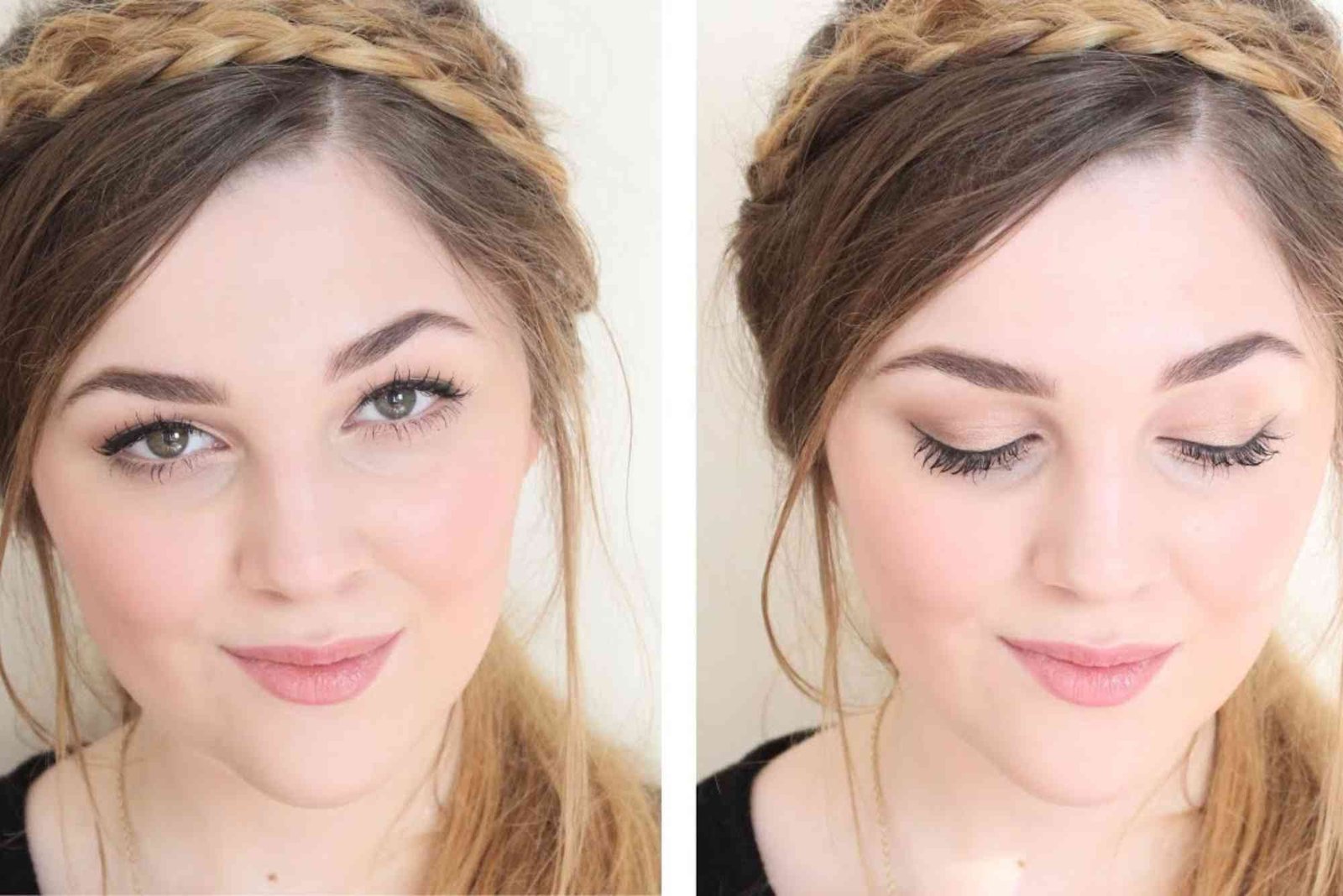
Best Makeup Looks for Everyday Wear Everyday makeup should enhance natural beauty while staying quick and comfortable. A light foundation or tinted moisturizer, soft neutral eyeshadow, mascara, and a hint of blush create a fresh look. Finish with a nude or soft pink lip color for a polished appearance that’s perfect for work, school, or casual outings.