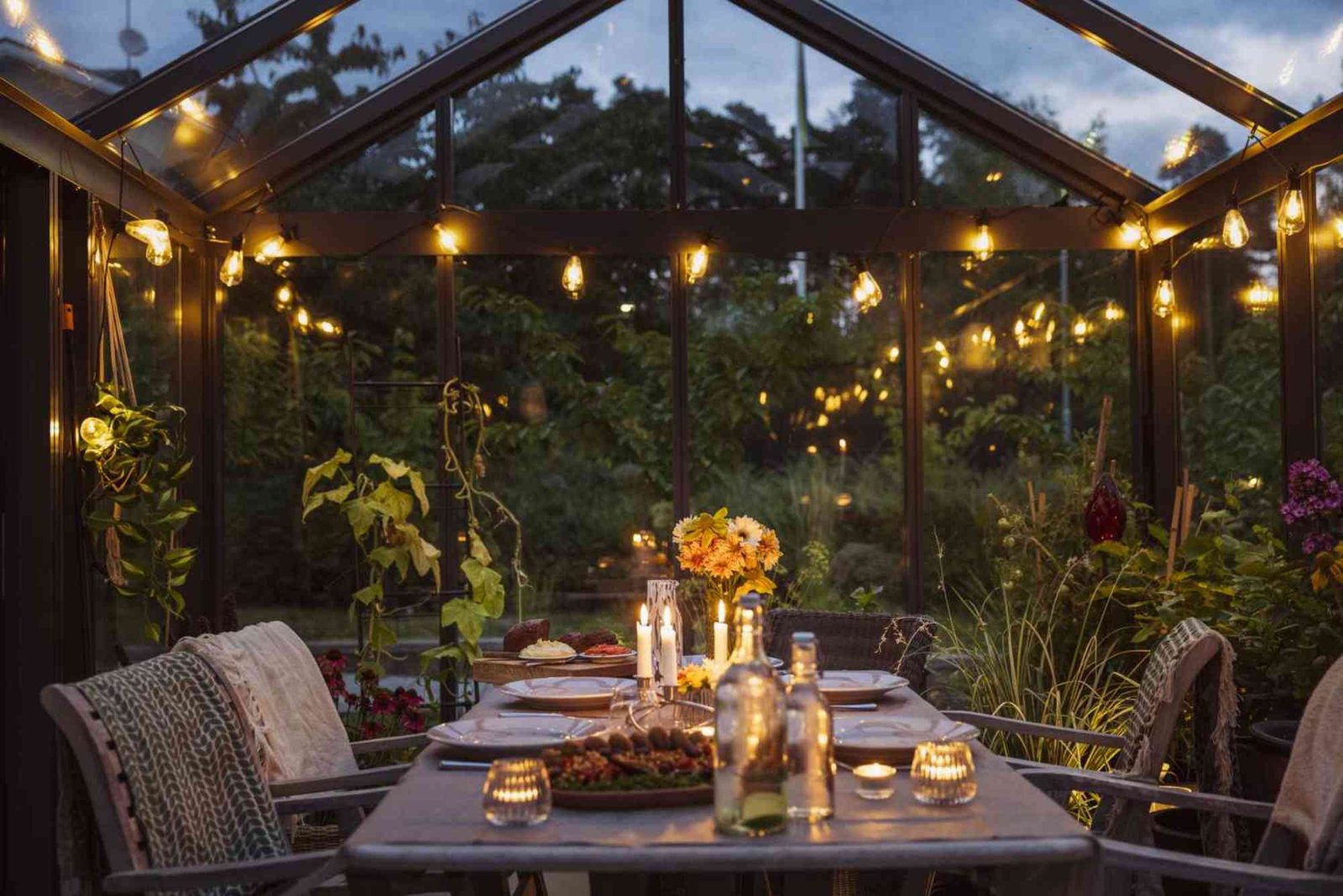

Open plan living has become a defining feature of modern homes. The seamless integration of kitchen, dining, and living areas creates a spacious, airy feel, ideal for family interaction and entertaining guests. However, decorating such expansive areas can be challenging. Balancing functionality with style while maintaining cohesion is essential. If you want a home that feels open yet cozy, exploring the best home decoration ideas for open plan living can transform your space into a comfortable and aesthetically pleasing environment.
Understanding the Open Plan Concept
Open plan living emphasizes removing barriers between spaces, promoting fluid movement and natural light. While this concept enhances social interactions and maximizes space, it also requires strategic decoration. Without careful planning, an open layout can feel chaotic or lack personality. By thoughtfully selecting furniture, textures, and colors, homeowners can create distinct zones without sacrificing openness.
Open plan spaces often benefit from consistent flooring throughout, which visually unifies the area. However, subtle variations in rugs or flooring patterns can delineate functional zones. Light plays a significant role as well; large windows and strategically placed lamps enhance the airy feel while highlighting specific design elements. Understanding how these elements interact is the foundation of effective open plan decoration.
Choosing the Right Color Palette
A harmonious color palette is crucial in open plan living. Soft, neutral shades create a sense of continuity, making the space appear larger and more inviting. Shades of beige, gray, and white are popular choices, as they act as a backdrop for furniture and decorative accents. For a more vibrant touch, introducing muted tones of blue, green, or terracotta can bring warmth without overwhelming the senses.
Accents like throw pillows, artwork, or even a statement wall can punctuate the space with color. When done carefully, this approach creates a visual rhythm, guiding the eye naturally from one area to another. Maintaining a cohesive palette prevents the open space from feeling disjointed and ensures each functional area blends seamlessly with the others.
Defining Zones with Furniture
Furniture placement is one of the most effective ways to define spaces in an open plan layout. Sofas, chairs, and tables can create natural boundaries between living, dining, and kitchen areas. For instance, a sofa positioned strategically can form a living room nook while leaving the rest of the space open. Similarly, a dining table with distinctive lighting overhead subtly separates the dining area from the rest of the room.
Using furniture as a zoning tool not only organizes space but also encourages functional flow. Choosing multi-functional pieces, such as ottomans with storage or extendable tables, adds versatility. Carefully selecting the scale of furniture ensures balance; oversized pieces can overwhelm an open plan, while smaller items may fail to anchor zones effectively.
Incorporating Texture and Materials
Texture and material choices add depth and character to open plan spaces. Combining natural elements like wood, stone, and metal introduces visual interest while grounding the design. Soft textiles, such as cushions, throws, and rugs, contribute warmth and comfort, essential in expansive areas. Layering materials ensures that the space does not feel cold or impersonal.
Incorporating different textures also helps differentiate zones subtly. A plush rug in the living area can contrast with sleek wooden flooring in the kitchen, providing a tactile boundary. Similarly, mixing matte and glossy surfaces can reflect light differently, enhancing dimension and creating a dynamic atmosphere in the room.
Utilizing Lighting Strategically
Lighting is a key element in open plan decoration. Multiple light sources layered across the space can emphasize zones while enhancing ambiance. Pendant lights over the dining table, floor lamps by seating areas, and under-cabinet lights in the kitchen provide both functionality and aesthetic appeal. Natural light is equally important, and unobstructed windows ensure the space remains bright and inviting throughout the day.
Consider dimmable fixtures for flexibility, allowing you to adjust the atmosphere for different occasions. Highlighting artwork or architectural details with accent lighting adds sophistication. Thoughtful lighting design transforms open plan living from merely functional to visually captivating.
Incorporating Art and Decorative Accents
Art and decorative accents are powerful tools to personalize open plan spaces. Large-scale artwork can create focal points, while smaller pieces can add character and charm. Decorative objects such as vases, sculptures, or books bring personality and help reflect the homeowner’s taste. Choosing pieces that complement the color palette ensures harmony across the space.
Mirrors are another effective decorative element, reflecting light and creating the illusion of a larger area. Additionally, strategically placed indoor plants enhance freshness and vibrancy. These decorative touches prevent the space from feeling sterile, adding warmth and life to open plan living.
Choosing Cohesive Furniture Styles
Maintaining a cohesive furniture style throughout an open plan area is essential. Mixing drastically different styles can disrupt visual flow, making the space feel fragmented. For example, modern minimalist furniture pairs well with neutral tones, while a rustic theme complements natural materials like wood and stone. Maintaining style consistency across all zones ensures a polished and unified appearance.
However, subtle contrasts can add interest when done thoughtfully. Combining smooth surfaces with textured fabrics or vintage pieces with contemporary furniture creates character without overwhelming the eye. Balance and proportion are key in achieving an open plan space that feels stylish yet cohesive.
Maximizing Storage Solutions
Storage is critical in open plan living to prevent clutter. Open spaces can quickly feel messy without adequate solutions. Built-in shelving, hidden cabinets, and multifunctional furniture help maintain organization without compromising design. Vertical storage solutions also optimize wall space, leaving the floor area open and airy.
Thoughtful storage design not only hides clutter but can also serve as a design feature. Stylish shelving units, decorative baskets, and furniture with built-in compartments enhance functionality while contributing to the aesthetic appeal of the space.
Creating a Comfortable Flow
Flow in open plan living is both physical and visual. Arranging furniture to allow unobstructed movement is crucial, especially in areas with high foot traffic. Pathways should feel natural, connecting different zones without interruptions. Using visual cues like rugs, lighting, and color variations helps guide movement seamlessly.
Flow also relates to how activities are structured. Placing dining areas close to the kitchen or positioning seating areas near entertainment zones encourages intuitive interaction. A well-thought-out layout ensures that open plan living feels effortless, functional, and inviting.
Eco-Friendly and Sustainable Choices
Sustainable design is increasingly popular in open plan living. Choosing eco-friendly materials like reclaimed wood, bamboo flooring, and low-VOC paints reduces environmental impact while enhancing aesthetics. Energy-efficient lighting and appliances further improve sustainability without sacrificing style.
Incorporating sustainable elements also brings a natural warmth to the space. Houseplants, natural textiles, and energy-conscious fixtures not only support eco-friendly living but create a calming, nature-inspired environment that resonates with modern homeowners.
Decorating an open plan living space requires careful consideration, from color schemes and furniture placement to lighting and decorative accents. The goal is to create a cohesive, functional, and inviting environment that balances openness with comfort. By incorporating these best home decoration ideas for open plan living, you can transform your space into a stylish sanctuary that accommodates both relaxation and social interaction.
Ready to elevate your home design? Start experimenting with these ideas today and watch your open plan living space transform into a welcoming and sophisticated haven.
FAQ
How can I make my open plan living space feel cozy?
Incorporate soft textiles, warm lighting, and rugs to define zones while maintaining openness. Personal accents like artwork and plants also add warmth.
What furniture works best in an open plan layout?
Choose multi-functional furniture that helps define areas without overwhelming space. Sofas, chairs, and tables can act as natural dividers.
How do I prevent an open plan area from feeling cluttered?
Use hidden storage, shelving, and multifunctional furniture. Regularly declutter and organize decorative items to maintain visual harmony.
What colors are ideal for open plan living?
Neutral colors like beige, gray, and white create continuity. Accents of muted tones, such as blue or green, can add personality without breaking cohesion.
How can I define zones without walls?
Use rugs, lighting, furniture arrangement, and color variations to create subtle but distinct zones for different functions.
How to Use Statement Pieces in Home Decoration Statement pieces can transform any room by drawing the eye and setting the tone. Choose one bold item, like a colorful sofa, oversized artwork, or unique light fixture, and let it shine. Balance it with neutral surroundings to avoid clutter, ensuring your statement piece becomes the focal point that defines your space.