
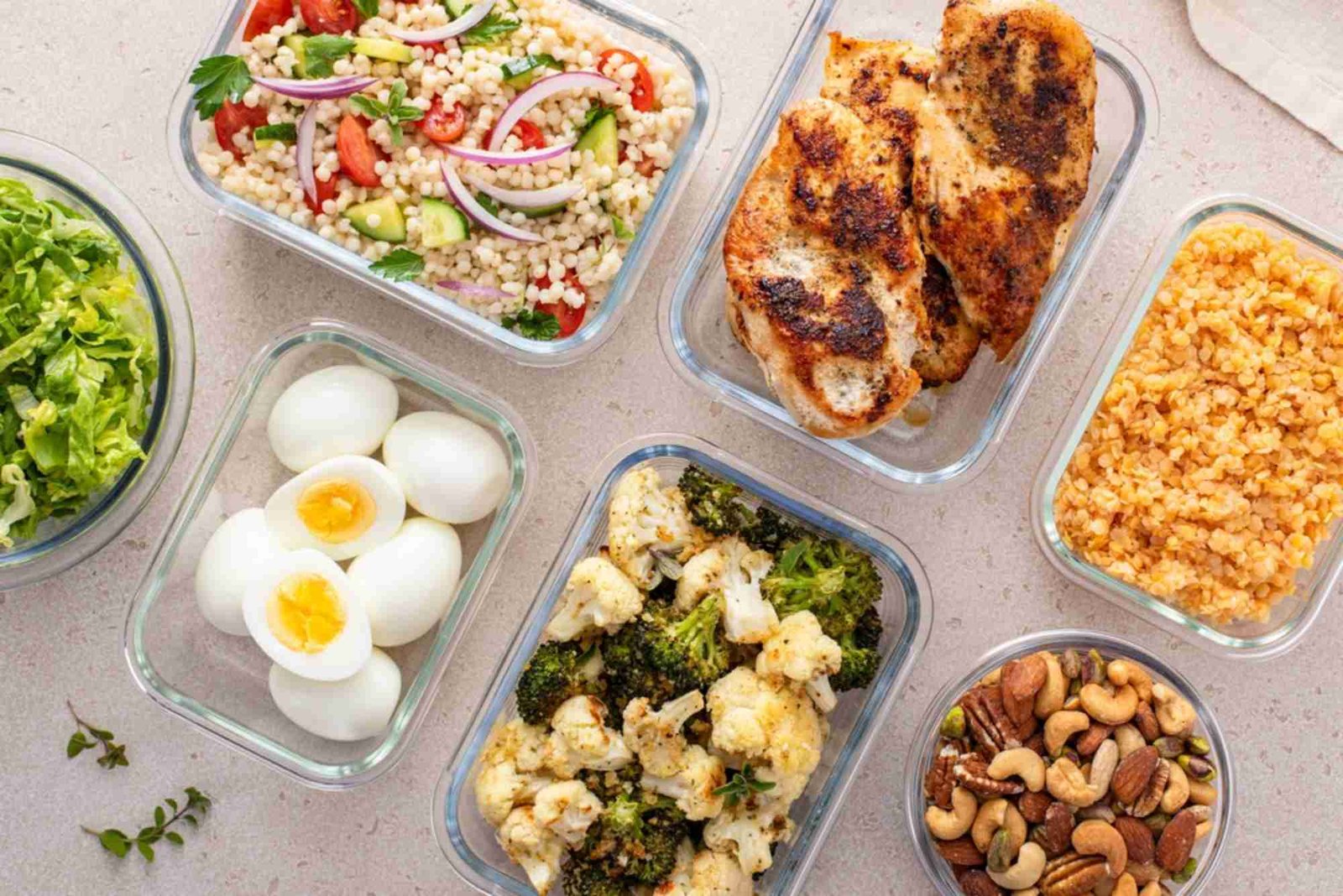
Everyone wants to feel energized throughout the day, especially when life gets busy or workouts get intense. What you eat plays a central role in how you feel and perform. Choosing the best food recipes for high energy meals isn’t just about calories — it’s about combining the right nutrients in ways that support lasting vitality, stable blood sugar, and muscle recovery. In this comprehensive guide, we’ll explore why certain foods boost energy, share delicious meal inspiration, and answer common questions people ask about fueling their day. Let’s dive into a world of tasty, energizing food that keeps you going strong.
Why Choose High‑Energy Meals?
High‑energy meals are designed to provide sustained fuel, rather than a short burst followed by a crash. That begins with understanding how your body uses food.
Nutrient‑rich meals balance complex carbohydrates, lean proteins, and healthy fats, giving your body lasting fuel and supporting steady blood sugar levels throughout the day. Complex carbohydrates like oats, brown rice, and sweet potatoes digest slowly, providing slow‑release energy instead of quick spikes and crashes. Lean proteins such as eggs, chicken, or legumes help maintain muscle and slow digestion so you stay full longer, while healthy fats from sources like nuts and avocados support cellular health and long‑term energy production.
Hydration also matters. Water is essential for nutrient transport and energy metabolism; mild dehydration itself can feel like fatigue. Choosing whole, minimally processed foods over sugary snacks helps avoid rapid blood sugar swings that contribute to energy dips and cravings.
How Balanced Meals Keep You Fueled
Balanced meals contain foods that slowly release glucose — the body’s primary fuel — into the bloodstream. Unlike refined sugar or white flour foods that can lead to short energy spikes and crashes, meals made from whole grains, proteins, and healthy fats provide a steady stream of energy. For example, starting your day with a bowl of oatmeal topped with nuts and fruit delivers complex carbs, protein, healthy fats, and essential vitamins — a recipe that supports mental clarity and stamina till lunch. Pairing these combinations throughout the day prevents energy dips and keeps you alert for work, workouts, or daily tasks.
Below we’ll explore several energizing recipe ideas with the best food recipes for high energy meals — meals that nourish your body and leave you feeling satisfied and strong.

Energy‑Boosting Breakfast Ideas
Breakfast sets the tone for your energy levels. Starting strong with the right meal gives you fuel that lasts into midday.
Oats with Fruit and Nuts
Warm oats made with whole grain oats are packed with fiber and B vitamins that help your body convert food into fuel. Topped with berries, sliced bananas, and a handful of walnuts, this breakfast provides complex carbohydrates, healthy fats, and antioxidants that support sustained energy release without sharp blood sugar swings.
Veggie Omelette with Whole Grain Toast
Eggs are rich in high‑quality protein and essential nutrients like B vitamins that help maintain metabolism and energy production. Combine eggs with sautéed spinach, bell peppers, and onions for an omelette and serve with whole grain toast for added fiber and complex carbs. This meal offers a balanced start, keeping hunger at bay and your mind focused.
Greek Yogurt Parfait
Greek yogurt is high in protein and can be paired with slow‑releasing carbohydrates like oats or granola and antioxidant‑rich fruits. Add a drizzle of honey for natural sweetness and a sprinkle of chia seeds for extra fiber and omega‑3 fats. This combination supports digestion and gives a steady energy boost throughout the morning.
Energizing Lunch Options
Midday meals are essential to avoid the dreaded afternoon slump. Perfect lunches combine lean protein with whole grains and colorful vegetables to maintain energy and focus.
Grilled Chicken Quinoa Bowl
Lean grilled chicken supplies essential amino acids, while quinoa offers a complete protein and a hearty, slow‑digesting carbohydrate. Mix in greens like spinach and crunchy vegetables such as carrots and cucumbers to add vitamins and minerals that support ongoing energy. Dress with olive oil and lemon for healthy fats and bright flavor.
Chickpea and Tuna Salad
Chickpeas provide plant‑based protein and fiber, while tuna adds omega‑3 fats and B vitamins. Toss together with leafy greens, cherry tomatoes, cucumbers, and a light vinaigrette for a refreshing, protein‑packed lunch that keeps you satisfied without weighing you down.
Sweet Potato and Black Bean Wrap
Sweet potatoes are rich in complex carbs and potassium — essential for muscle and nerve functions. Pair them with black beans, avocado slices, and leafy greens in a whole grain wrap for a vegetarian option that delivers steady, balanced energy and plenty of plant‑based nutrients.
High‑Energy Dinner Recipes
Dinner is your last big opportunity to refill your energy stores for recovery and the next day. Choose meals that are nourishing, diverse, and satisfying.
Salmon with Brown Rice and Roasted Vegetables
Oily fish like salmon is rich in omega‑3 fatty acids, B vitamins, and protein — all key for maintaining energy and supporting brain health. Serve grilled or baked salmon with brown rice and a medley of roasted vegetables like broccoli, carrots, and bell peppers for a complete dinner fuelled with slow‑burning carbs, antioxidants, and healthy fats.
Lentil and Vegetable Stew
Lentils are packed with plant protein and fiber; combined with hearty vegetables and spices, they make a comforting, nutrient‑dense stew. This dish is full of complex carbs and micronutrients that contribute to prolonged energy release and digestion support.
Pesto Chicken and Whole Grain Pasta
Whole grain pasta paired with lean chicken and homemade pesto combines carbohydrates, lean protein, and healthy fats. Add a side salad for extra fiber and micronutrients. This dinner supports both recovery and sustained energy, ideal for those with active lifestyles or evening workouts.
Snacks That Sustain Your Energy
Snacks aren’t just about convenience — when chosen wisely, they can stabilize blood sugar and prevent energy crashes.
Fresh fruit like bananas and apples, a handful of nuts or seeds, Greek yogurt, or a small trail mix combine carbohydrates, protein, and fats in a compact, energizing form. These options are particularly useful between meals or before workouts to keep stamina high and mid‑afternoon fatigue low.
Eat with Intention for Energy
Eating balanced meals filled with nutrient‑dense foods is one of the most effective ways to sustain energy naturally. By incorporating the best food recipes for high energy meals — from fiber‑rich breakfasts to balanced dinners — you can maintain consistent stamina, enhance focus, and support your overall health day after day. Nutrition isn’t a luxury; it’s your fuel. Start small, choose whole foods, and let your meals work for you.
FAQs About High‑Energy Meals
What foods boost energy the most naturally?
The best energy‑boosting foods contain a mix of complex carbohydrates, lean protein, and healthy fats. Foods like oats, eggs, nuts, seeds, brown rice, and lean meat help provide a steady energy supply without crashes.
Are high‑energy meals good for weight loss?
High‑energy nutrient‑dense meals can support weight loss when they help you feel full longer and prevent overeating. Focus on whole foods and portion control to balance energy intake with activity levels.
How can I increase my energy fast with food?
For a quick lift, choose natural snacks like bananas, nuts, or Greek yogurt. Staying well‑hydrated and avoiding sugary snacks helps prevent energy dips and keeps metabolism steady.
Related Reading: Top Food Recipes for Celebrations at Home