
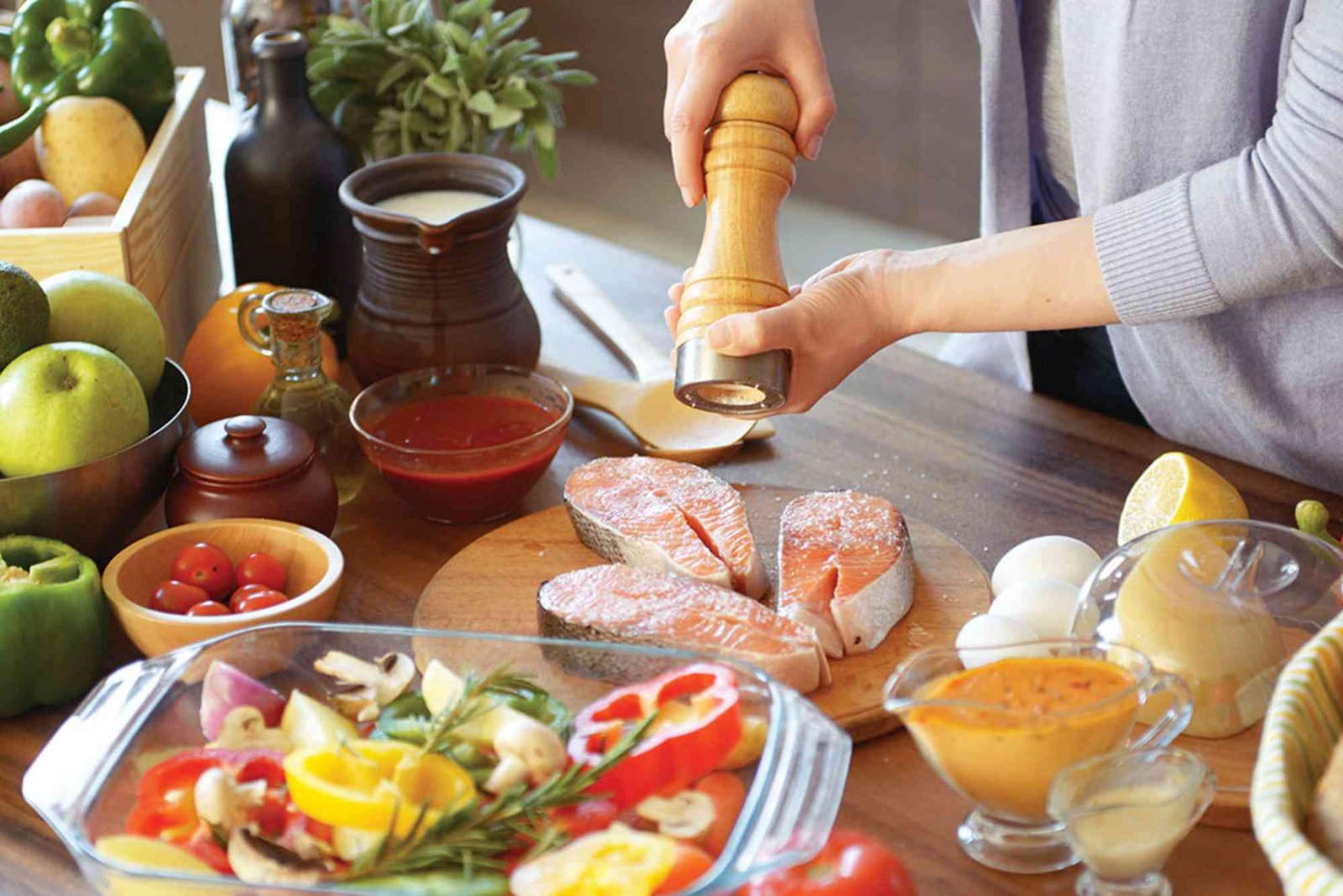
Choosing better food ingredients for cooking can transform your meals from ordinary to extraordinary. Whether you’re preparing a quick weeknight dinner or planning a special occasion feast, the quality of your ingredients directly affects the flavor, nutrition, and satisfaction of your dishes. In this comprehensive guide, you’ll learn how to select ingredients with confidence, boost your culinary results, and enjoy more flavorful, wholesome meals every time.
Why Ingredient Selection Matters in Cooking
When you choose better food ingredients for cooking, you aren’t just picking items off a shelf. You are investing in taste, health, and the overall enjoyment of your food. Ingredients act as the foundation of every recipe, and high‑quality components help dishes reach their full potential. Fresh ingredients deliver deeper flavors and richer textures. They can also have higher nutritional value compared to their lower‑quality counterparts. For example, fresh herbs and seasonal produce bring natural brightness to a dish that dried herbs or out‑of‑season vegetables rarely match. By focusing on the quality of what goes into your meals, you create food that nourishes both body and soul.
Understanding Freshness and Flavor
How Freshness Affects Taste
Fresh ingredients almost always offer superior flavor. Vegetables and fruits picked at peak ripeness contain concentrated sugars and aromatic compounds that make dishes more vibrant. When produce is fresh, it has a firm texture, vibrant color, and pleasing aroma. Conversely, older produce can be dull in flavor and limp in texture, affecting the outcome of your recipe. Choosing ripe, fresh ingredients for cooking ensures that every bite has depth and satisfaction.
The Role of Seasonality
Seasonal ingredients are naturally aligned with local harvest cycles. They tend to be fresher and retain more nutrients because they haven’t traveled long distances. When you select produce that is in season, the food has often had time to fully mature. The result is richer flavor and better texture compared to out‑of‑season items that may have been picked early and ripened artificially. By embracing seasonal produce, you take advantage of peak quality and support more sustainable food practices.
Selecting the Best Produce
Evaluating Vegetables and Fruits
When examining vegetables and fruits, look for firmness, rich color, and absence of blemishes. A vegetable should feel heavy for its size, signaling juiciness and internal freshness. Fruits should have even color and give slightly to gentle pressure; too soft may mean overripe. Avoid items with bruises or mold, as these are signs of deterioration. Choosing produce that looks vibrant and smells fresh makes a significant difference in the final dish.
Smell and Texture Matter
Smell is one of the most reliable indicators of freshness. For example, a ripe tomato should smell sweet and earthy at the stem. If it has no smell at all, it likely lacks flavor. Likewise, leafy greens should look crisp and feel cool to the touch. When selecting herbs, vibrant leaves with minimal wilting tend to offer better aroma and taste. By tuning in to smell and texture, you instantly improve your ingredient choices.

Meat and Protein: What to Look For
Choosing High‑Quality Meats
Protein is central to many meals, and selecting better food ingredients for cooking extends to meats as much as produce. Look for cuts with consistent color, firm texture, and minimal excess moisture. For poultry, the skin should be pale and smooth rather than yellowed or sticky. Beef and lamb with a slight marbling of fat often deliver more tenderness and flavor. When possible, choosing pasture‑raised, organic, or locally sourced meats can enhance both quality and ethical value.
Seafood Selection Tips
Seafood should smell like the ocean—fresh and clean, not fishy or sour. Fish flesh ought to be firm and bounce back when pressed gently. Shellfish should be tightly closed; open shells can indicate that the animal is no longer alive and may not be fresh. Fresh seafood elevates dishes with delicate flavor and texture, so invest time in choosing the best options available at your market or fish counter.
Dairy and Eggs: Quality Matters
Food ingredients like dairy and eggs play essential roles in texture and richness. When selecting dairy products, examine expiration dates and consistency. Yogurt should look creamy, and milk should be free of unusual smells or lumps. Cheese, especially fresh varieties like mozzarella or ricotta, should feel moist without being slimy. Eggs are a versatile staple; choose cartons without cracks and with uniform shell color. The freshest eggs will have firm whites and high‑standing yolks when cracked into a bowl. These details might seem small, but they directly influence the success of your cooking.
Pantry Staples: Choosing Wisely
Grains and Flours
Your pantry is full of foundational ingredients that show up in countless meals. When choosing grains like rice, quinoa, or oats, look for uniform color and texture. Avoid any signs of insects, clumping, or unusual odor. For flours, fresher batches will have a subtle nutty smell and fine texture. Whole grain flours often offer more flavor and nutrients than refined versions. By prioritizing high‑quality grains, you support both taste and health in your cooking.
Oils and Vinegars
Oils and vinegars are simple ingredients with wide influence. Choose cold‑pressed, extra‑virgin oils when possible, as they retain more flavor and beneficial compounds. Olive oil should smell grassy or fruity, never rancid. Vinegars like balsamic or apple cider add acidity and brightness. Look for varietals that use traditional production methods for deeper, more complex flavor. These ingredients might seem small, but they affect every dish they touch.
Herbs and Spices: Aromatic Enhancers
Herbs and spices are powerful tools for creating memorable food. Fresh herbs like basil, cilantro, and parsley deliver complexity and brightness when added at the right moment. If using dried herbs, ensure they are stored in a cool, dark space and replace them regularly; over time, their potency declines. Spices ground fresh or purchased whole and ground at home often yield fresher results. Aromatic ingredients elevate dishes by adding layers of nuance that make flavors more lush and enjoyable.
Reading Labels for Better Choices
Understanding Ingredient Lists
Packaged foods often contain hidden additives, preservatives, or excessive sodium and sugar. Reading labels carefully empowers you to avoid unwanted ingredients. Items with short ingredient lists and recognizable words tend to be better choices for cooking. For example, choose canned tomatoes with just tomatoes and salt rather than versions loaded with added sugar or artificial flavors. Knowing how to read and interpret food labels is essential for making informed decisions in your kitchen.
Recognizing Quality Certifications
Certifications like organic, non‑GMO, or grass‑fed offer clues about how food was produced. Organic foods are grown without synthetic pesticides, which may result in fewer residues. Non‑GMO labels indicate that genetically modified organisms were not used. Grass‑fed proteins often contain a different nutrient profile than grain‑fed alternatives. While not every certification is necessary for every cook, they provide useful insights when choosing better food ingredients for cooking.
Shopping Strategies for Smarter Choices
Planning ahead improves your ability to choose quality ingredients. A well‑organized shopping list based on meals you intend to prepare encourages purposeful purchases. Visiting farmers markets can connect you with seasonal produce and local growers who often harvest closer to peak ripeness. When shopping in a grocery store, take a moment to examine packaging dates and quality indicators. Spend more on items that matter most to your dishes and less on products with minimal impact. Thoughtful shopping helps you achieve better results when cooking.
Storage and Handling: Preserving Quality
Selecting high‑quality ingredients is only part of the process; proper storage and handling protect freshness. Store produce with similar needs together. For example, leafy greens prefer cool, moist environments while onions and garlic do better in dry, well‑ventilated spaces. Refrigeration slows spoilage for dairy and meats, but wrapping these items correctly matters. Airtight containers and proper temperature control prolong shelf life. Once you take food home, treating it with care ensures you make the most of your carefully chosen ingredients.
Common Mistakes and How to Avoid Them
One common mistake is choosing the cheapest option regardless of quality. While budget matters, the cheapest item may force you to compensate with extra seasoning, longer cooking, or multiple ingredients to mask poor taste. Another error is ignoring smell and texture in favor of appearance alone. A fruit might look perfect but lack flavor if picked too early. Avoid impulse buys that aren’t part of your cooking plan, as they often go unused and lead to waste. By being intentional and mindful, you sidestep pitfalls that dilute your meal’s potential.
Bringing It All Together in Your Kitchen
When you choose better food ingredients for cooking, each meal becomes an opportunity to create something delightful. You fuel your body with nourishing components, reduce food waste, and make the act of cooking more rewarding. Over time, your palate becomes more discerning, and you begin to recognize the nuanced difference quality makes. Cooking with intention and care fosters not just better meals but deeper connection with your food and the people you share it with.
Cook with Confidence and Care
The secret to remarkable meals begins long before heat touches your pan. It starts with knowing how to choose better food ingredients for cooking. Freshness, seasonality, aroma, and texture all play vital roles in selecting quality items. By shopping thoughtfully, reading labels, and handling ingredients properly, you elevate every dish you prepare. Now it’s your turn to step into the kitchen with newfound confidence. Embrace quality, enjoy the process, and watch your meals transform.
Frequently Asked Questions
What are the easiest ways to tell if produce is fresh?
Fresh produce typically smells vibrant, feels firm, and has bright color. Avoid items that are soft, dull in appearance, or have unpleasant odors to ensure better quality in your cooking.
Does buying organic always mean better taste?
Organic foods often have fewer synthetic inputs and can taste better, but flavor also depends on ripeness and freshness. Look for seasonal, well‑grown produce for the most flavorful results.
How can I store herbs so they last longer?
Wrap fresh herbs in a damp paper towel and place them in an airtight container in the refrigerator. You can also store sturdy herbs like rosemary upright in water with a loose cover. This helps preserve flavor and freshness.
Are local markets better for ingredients than supermarkets?
Local markets often provide seasonal, recently harvested ingredients with robust flavor. Supermarkets can still offer quality items, especially if you check dates and freshness. Combining both sources gives you flexibility and access to a wider range of ingredients.
Why is seasonality important when choosing ingredients?
Seasonal ingredients are harvested at peak ripeness and usually travel shorter distances. They tend to be fresher, more nutritious, and full of flavor, making them excellent choices for cooking.
Top Food Recipes for Celebrations at Home Hosting at home becomes special with the right recipes. From rich chocolate cakes and savory finger foods to colorful salads and festive drinks, these dishes make every gathering memorable. Easy to prepare yet impressive, they bring joy to both cooks and guests, turning ordinary moments into delightful celebrations.